Benjamin Irvine’s tracks “Heads High” and “We Stayed Anyway” are getting real airplay right now, with the artist reporting activity across more than 200 stations spanning the USA, UK, Germany, France, Spain, Italy, Ireland, Belgium, Austria, Poland, Israel, Greece, Sweden, Estonia, Slovenia, the Netherlands, Argentina, Indonesia, the Philippines, and Aruba. That’s a lot of countries for a guy whose music career started as a 30th anniversary gift to his wife. But the airplay isn’t the point. It’s the engine. Every spin helps fund NeuroKnights, a brain-science learning platform built for kids ages 7 to 12 who might not have access to solid education otherwise.
So here’s what the music is actually paying for.
NeuroKnights is structured like its own little universe, complete with a cast of characters who each represent a different part of how the brain works. The headliner is Sir Cortex, who calls himself the master of the mind. He’s the one who walks kids through memory, focus, problem-solving, and creativity, framing the brain as a kingdom run by billions of tiny messengers moving at lightning speed. Kids get neuroscience without realizing that’s what they’re getting.
Then there’s Amygdala, the guardian of emotions. This is where the platform gets clever about what it’s really teaching. Amygdala’s whole job is helping kids stay calm and balanced when things feel overwhelming, which is a polite way of saying the character teaches emotional regulation without ever using a phrase that boring. The rest of the lineup fills in the gaps. Synapse is the fast one, the speedy connector who zips between neurons. Glia is the healer who keeps everything running clean. NeuroShield plays defense, blocking out the bad stuff. And Hipp handles the memory side of things, the brain’s recordkeeper.
The characters aren’t just decoration. They show up in book concepts that tackle stuff most kids’ content tiptoes around. Take the one built around a character named Sam. Sam takes a sip of an energy drink, and that single choice wakes up one of the brain’s most dangerous villains: Addiction. The villain is written as sparkling and seductive, the kind of thing that looks appealing right up until it isn’t. Addiction wraps the brain’s Reward Center in glowing chains and starts whispering to Sam that he needs more to feel good. From there it becomes a rescue mission. Captain Cortex, Synapse, Amygdala, NeuroShield, and Hipp have to team up and help Sam break free before he loses touch with the joy he felt before the temptation showed up.
For a story aimed at 7-to-12-year-olds, that’s a heavier topic than you’d expect. But it works because it’s concrete. Kids understand the energy drink. They understand wanting more of something that feels good. Dressing the lesson up as a battle inside the brain gives them a way to think about self-control and consequences without anyone lecturing them. The platform runs the same play across its games, missions, and stories, all inside a child-safe environment with a parent control center and no ads.
Irvine’s reasoning for building any of this comes down to access. He’s been clear that good education shouldn’t be reserved for kids who happen to live near strong schools and good technology. Plenty of children around the world don’t have those resources, and NeuroKnights is his attempt to reach them with something engaging enough to compete for their attention. There’s also a forward-looking piece to it. Irvine wants kids to grow up understanding AI as a tool rather than something to be scared of, so the platform leans into curiosity, problem-solving, and responsible tech use.
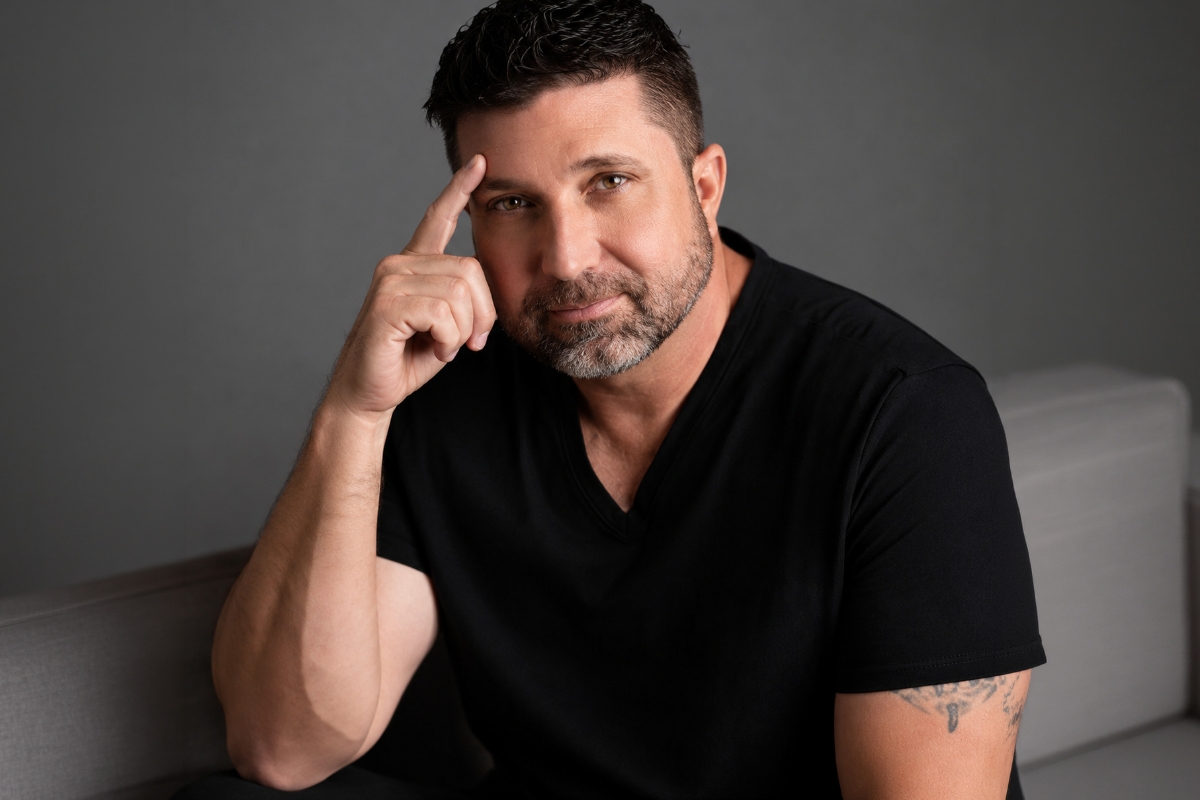
It helps to know who’s behind it. Benjamin Irvine is a U.S. Army Airborne veteran who served six years at Fort Bragg, then built a career in power generation and generator engineering. He’s got a business degree from the University of Phoenix and technical training through GE Power Systems University. None of that screams children’s neuroscience platform, which might be exactly why it works. He brought music into the mix the way a lot of people stumble into a second act, starting with “Never Be Lonely” for his anniversary, then revisiting old poems and hiring vocalists and musicians through Fiverr to turn them into finished tracks. Music has been in his blood for a while, though. As a kid he toured to gigs with his grandfather’s country cover band, Lloyd Meddock and the Melody Boys.
Right now he’s got five more songs in development, including “Mirror Talk” and “Redlights Roulette,” and a wish list collaboration with Kane Brown on a country track called “Built For the Climb.”
The two halves of what Benjamin Irvine’s doing aren’t really separate. The radio play keeps the lights on at NeuroKnights, so a station in Slovenia picking up “Heads High” turns into another kid somewhere getting a shot at learning how his own brain handles a bad decision. That’s a strange way to fund a children’s platform. It’s also working. You can hear the music on Spotify, explore the brain universe at NeuroKnights.com, and follow along on Facebook and TikTok.